Casinos as Eternal Human Experiments
Casinos as Eternal Human Experiments
Casinos have long stood as glittering bastions of entertainment, opulence, and a certain kind of alluring risk. Yet, beneath the dazzling lights and the rhythmic clatter of chips, these establishments function as profound, ongoing laboratories of human behavior. Far from being mere venues for leisure, casinos are intricate ecosystems designed to test, observe, and capitalize on the very fabric of human psychology, serving as eternal experiments in risk, reward, and the elusive pursuit of fortune.
At the heart of the casino experiment lies the fundamental human desire for reward and the willingness to take risks. Every spin of the roulette wheel, every dealt card in blackjack, and every pull of a slot machine lever taps into primal instincts. The brain's reward system, particularly the release of dopamine, is exquisitely stimulated by the anticipation of a win. This neurochemical dance fuels the thrill, making the act of gambling inherently captivating. It’s a constant battle between rational probability and irrational hope, a true test of self-control and decision-making under pressure. Players are, in essence, subjects in a grand study of how uncertainty influences choice.
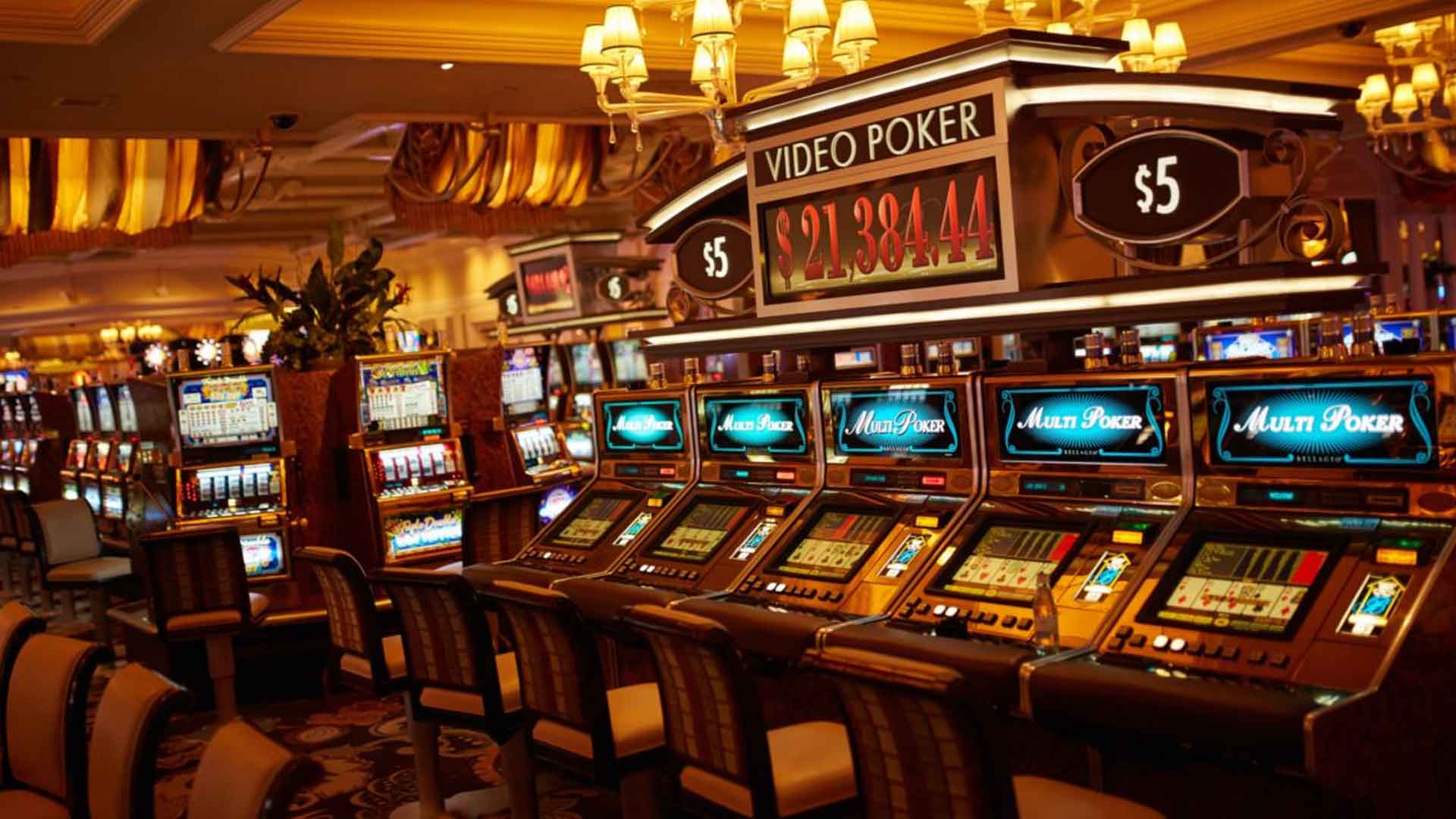
Casinos are masters of mathematics. The house edge, a carefully calculated advantage inherent in every game, ensures long-term profitability for the establishment. While individual players might experience spectacular wins, the aggregate data relentlessly favors the house. This mathematical certainty, however, is often overshadowed by the "near miss" phenomenon, the psychological trick that makes a loss feel tantalizingly close to a win, encouraging continued play. Slot machines, in particular, are brilliant examples of this design, offering a dizzying array of themes, sounds, and visual effects to enhance immersion. For those seeking to understand the mechanics behind these games, exploring concepts like the rtp slot m88 can shed light on how return-to-player percentages influence outcomes and player experience. The perceived randomness, coupled with the slim possibility of a life-changing jackpot, keeps the dream alive for millions.
Beyond individual psychology, casinos also serve as sociological melting pots. They attract a diverse cross-section of humanity – high rollers, casual tourists, seasoned professionals, and wide-eyed novices. Observing the interactions at a poker table, the shared excitement around a craps game, or the quiet focus at a blackjack table reveals much about human social dynamics. There's a shared understanding, an unwritten code of conduct, and often a camaraderie that forms between strangers united by a common pursuit. This environment also highlights power dynamics, the pursuit of status, and the inherent human need for belonging, even if fleeting, within a collective experience.
The experiment has not been static. The advent of online casinos has drastically expanded the scope and scale of this ongoing study. Virtual platforms allow for unprecedented data collection on player behavior, preferences, and spending habits. Algorithms and artificial intelligence are constantly refining game designs, personalized promotions, and user interfaces to optimize engagement. While the physical casino still offers a unique sensory experience, the digital realm provides an even more controlled environment for behavioral observation, allowing for rapid iteration and testing of new hypotheses about what drives human interaction with games of chance. This evolution signifies a deepening of the "experiment," moving from a physical space to a global, interconnected digital laboratory.
No discussion of casinos as experiments would be complete without acknowledging the ethical dimensions. The very design that makes casinos fascinating from a psychological perspective also presents risks, particularly the potential for problem gambling and addiction. This dark side of the human experiment necessitates a focus on responsible gambling initiatives. Casinos and regulators are increasingly implementing measures like self-exclusion programs, deposit limits, and access to support resources. These efforts represent an ongoing societal attempt to mitigate the negative consequences of an industry that, by its very nature, pushes the boundaries of human impulse and desire. It’s a delicate balance between providing entertainment and protecting vulnerable individuals, a constant negotiation within the grand human experiment.
From ancient dice games to modern mega-resorts and sophisticated online platforms, casinos have consistently offered a stage for humanity's enduring fascination with risk, reward, and the unpredictable nature of luck. They are not merely places to win or lose money; they are intricate mirrors reflecting our hopes, fears, biases, and decision-making processes under pressure. As long as humans are driven by ambition, curiosity, and the occasional urge to test their fortune against the odds, casinos will remain eternal, glittering laboratories, continually running their grand, fascinating, and sometimes perilous experiments on the human spirit.